Best Squirrel-Proof Bird Feeders for Southern Backyards (2025 Guide)
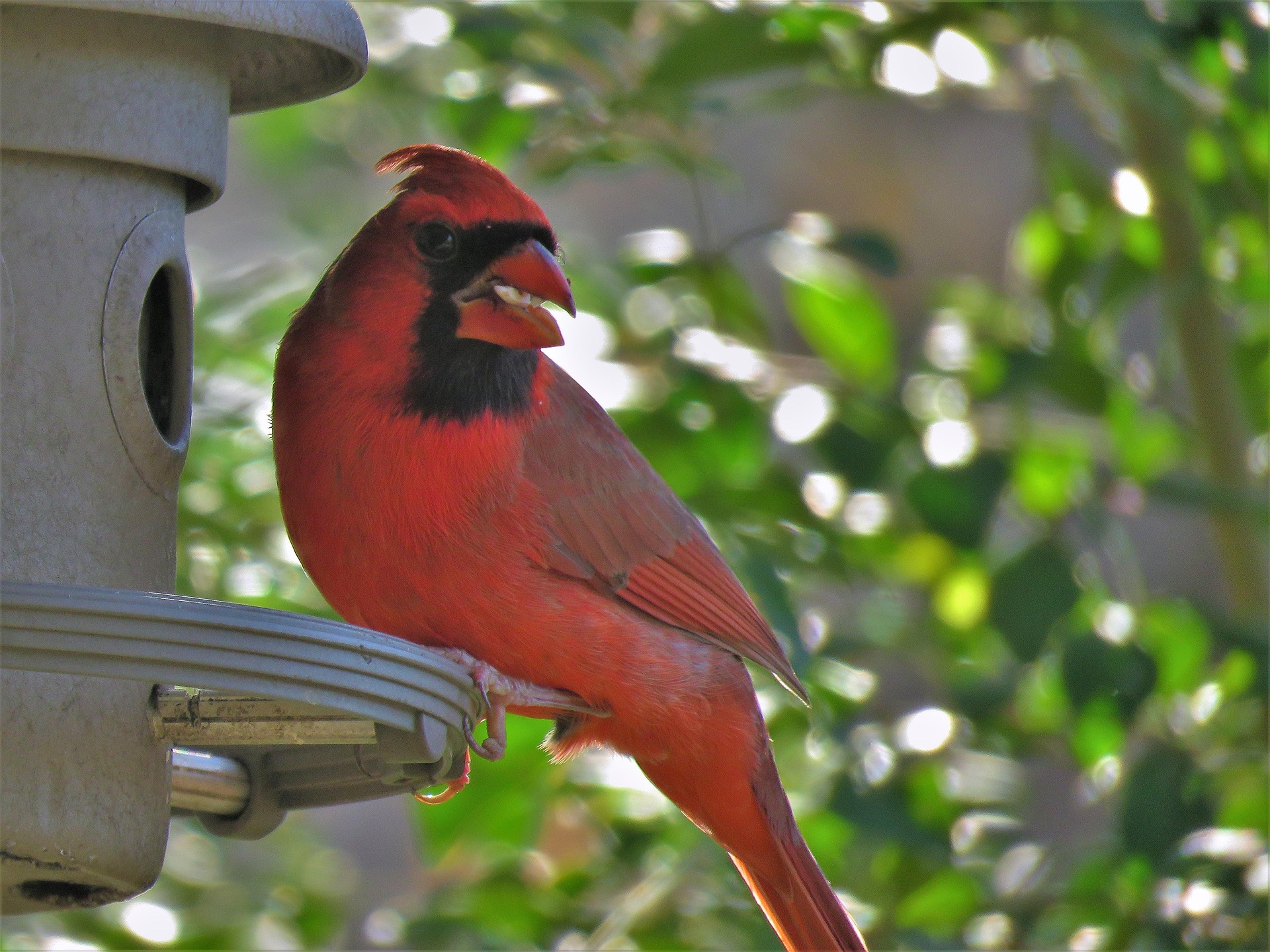
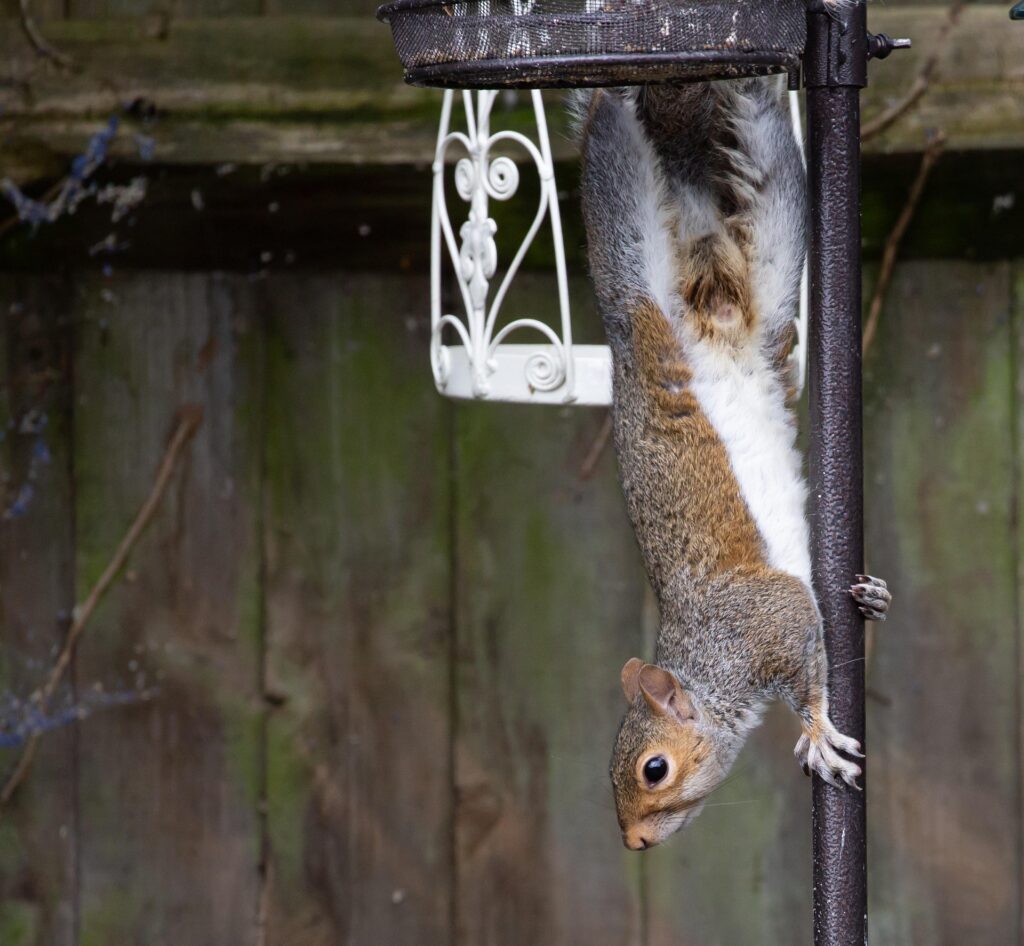
If you’ve put up a bird feeder anywhere in the Deep South, you already know the truth: the squirrels found it before the birds did. Within a week, you’re watching a fat fox squirrel hang upside down from your feeder while your cardinals wait their turn on the fence.
Southern backyards face a unique squirrel challenge. Mild winters mean squirrel populations stay strong year-round. Gray squirrels dominate from Virginia to East Texas, while the larger fox squirrels rule the pine forests of the Gulf states. And in much of the South, you’re not just dealing with squirrels—raccoons, opossums, and even the occasional rat snake will raid your feeders too.
After years of testing feeders against Southern wildlife, here are the squirrel-proof options that actually work.
What “Squirrel-Proof” Really Means
Before spending money, understand this: no feeder is completely squirrel-proof. A determined squirrel with time and motivation can defeat almost any design. What you want is a feeder that’s squirrel-resistant enough that squirrels give up and move on.
The best squirrel-proof feeders use one of three strategies:
- Weight-activated — perches or shrouds close under a squirrel’s weight
- Caged — outer cage allows small birds in, blocks squirrels
- Baffled — physical barriers prevent climbing access
The most effective feeders combine multiple strategies.
1. Brome Squirrel Buster Plus
Best for: Most Southern backyards Best feature: Weight-activated, no batteries or moving parts to fail
The Squirrel Buster Plus is the gold standard for a reason. When a squirrel — or even a heavy raccoon — climbs on, its weight pulls down a metal shroud that closes the seed ports. Cardinals, chickadees, and finches are light enough to feed normally.
What makes it ideal for the South: the metal construction handles Gulf Coast humidity without warping, and the weight sensitivity is adjustable. If you’ve got larger Southern birds like blue jays or red-bellied woodpeckers you want to feed, you can dial it up. If you only want small songbirds, dial it down.
The cardinal ring (sold separately) is worth getting — without it, our region’s signature bird struggles to balance on the perches.
2. Squirrel Buster Standard
Best for: Smaller yards, finch-focused setups Best feature: Lower price point, same weight-activated technology
A smaller, simpler version of the Plus. Holds less seed (you’ll refill more often) but uses the same proven shroud mechanism. Excellent for screened porches, apartment balconies, and patios common across the South.
Particularly good if you live where Carolina chickadees, tufted titmice, and goldfinches dominate your feeder traffic.
3. Roamwild PestOff Mixed Seed Feeder
Best for: Maximum capacity, hands-off feeding Best feature: Holds a large amount of seed, weight-activated, drainage holes for Southern rain
This feeder addresses a problem unique to humid Southern climates: seed spoilage. The PestOff has drainage holes in the bottom that prevent the wet-seed clumping that ruins most large feeders by week two in Louisiana or Florida summers.
The weight-activated perches close under squirrel weight. Capacity is generous, so you can go a week between refills even with heavy traffic.
4. Droll Yankees Yankee Flipper
Best for: Backyards with persistent squirrel problems Best feature: Battery-powered perch that spins squirrels off
This is the most aggressive squirrel deterrent on the market. When a squirrel lands on the outer perch ring, a motor activates and spins it — gently launching the squirrel into a bewildered backflip. Most squirrels learn after two or three attempts.
Drawbacks: it requires a rechargeable battery, and Southern humidity can be hard on electronics. Keep it under cover if possible. But for entertainment value alone, many Southern bird lovers consider it worth the price.
5. Woodlink Caged Tube Feeder
Best for: Budget-conscious birders, small-bird specialists Best feature: Outer cage blocks squirrels AND larger birds like grackles
In much of the South, the bigger problem isn’t squirrels — it’s grackles, starlings, and brown-headed cowbirds clearing out your feeder in minutes. A caged feeder solves both issues at once. The cage spacing lets small birds (chickadees, titmice, nuthatches, finches) through while blocking squirrels and bully birds.
If your Southern backyard hosts painted buntings, indigo buntings, or other small migrants, this style protects them from getting muscled out by grackles.
What About Baffles?
Even the best feeder fails if mounted poorly. For Southern yards, pair your squirrel-proof feeder with:
- A pole-mounted setup at least 10 feet from any tree, fence, or roofline (squirrels jump farther than you think)
- A stovepipe baffle below the feeder—wraparound baffles work better than dome baffles in our region because raccoons defeat domes easily
- A pole at least 6 feet tall — squirrels can leap 4-5 feet from the ground
A great feeder on a bad pole is just an expensive squirrel buffet.
Bonus: The Snake Question
Here’s something Northern birding sites won’t tell you: in the Deep South, rat snakes climb feeder poles for the eggs in nestboxes and occasionally for spilled seed that attracts mice. A standard stovepipe baffle handles this too. If you’re in rattlesnake country (Texas, Florida), keep feeders well away from porches where pets and kids walk.
The Bottom Line
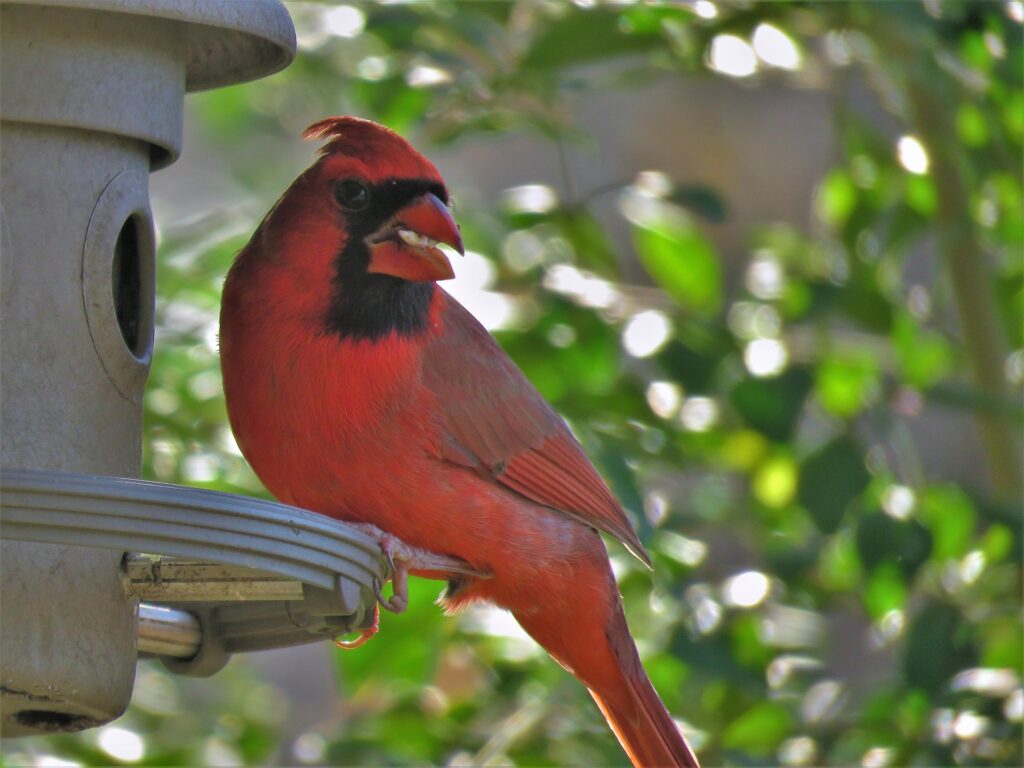
For most Southern backyards, the Brome Squirrel Buster Plus is the right first investment. It handles our humidity, deters squirrels and raccoons, and lasts for years. Pair it with a solid pole and baffle setup, and you’ll finally watch your cardinals, chickadees, and buntings feed in peace.
If you’re on a tighter budget, the caged Woodlink feeder gets you 80% of the benefit at a fraction of the cost — and it solves the grackle problem most Southern birders eventually face.
Whatever you choose, remember: a great feeder is only as effective as where you put it. Ten feet of space, six feet of height, and a baffle below. That’s the formula that keeps Southern squirrels frustrated and Southern birds happy.